
woodpalletforsale2601
About woodpalletforsale2601
A Comprehensive Guide to Pallet Prices: Understanding Costs, Types, and Influencing Factors
Pallets, those unassuming rectangular structures that act as the backbone of the logistics and warehousing industries, play a vital role in transporting and storing goods all over the globe. However, for businesses of all sizes—from small startups to multinational corporations—keeping a close eye on pallet prices is essential to managing budgets and optimizing supply chain efficiency. Pallet costs are not as straightforward as they may seem; they vary due to a variety of factors including material, size, and market demand. This article delves deeply into pallet prices, breaking down the variables that influence costs, the types of pallets available, and tips to reduce expenses, making it easier for businesses to make informed purchase decisions.
The Role of Pallets in Modern Supply Chains
Pallets are flat structures designed to support goods in transportation, storage, and handling. They ensure the safe and efficient movement of cargo, streamline warehouse operations, and facilitate easy stacking and space management. Without pallets, the complexity, cost, and time required for handling goods would increase significantly. Given their indispensable nature, the cost of pallets becomes a critical consideration for businesses in logistics-dependent industries.
Factors That Influence Pallet Prices
Understanding the components that influence pallet prices is crucial for anyone involved in purchasing or managing supply chain logistics. Here are some of the key factors to consider:
-
Material:
- Wooden Pallets: Typically the most commonly used, they vary widely in price depending on the type of wood, grade, and whether they are new or recycled. Prices can range from £10 to £25 for standard models.
- Plastic Pallets: These are durable, reusable alternatives with higher upfront costs. Entry-level plastic pallets typically range from £20 to £50, while more specialized versions can go up to £100 or more.
- Metal Pallets: Rarely used in mainstream applications due to their high cost (ranging from £50 to £150 or more), metal pallets are reserved for heavy-duty or niche industries like chemicals or pharmaceuticals.
-
Size and Standardization:Standard pallet sizes (like 48×40 inches in the United States) are more cost-effective than custom sizes. Custom-sized pallets often require bespoke manufacturing, driving costs up.
-
Grade or Quality:
- Grade A pallets (new or high-quality recycled): Higher costs due to their superior condition and load-bearing capacity.
- Grade B/C pallets: Cheaper as they may have minor imperfections or repairs.
-
Market Conditions:Supply and demand directly affect pallet pricing. Scarcity of raw materials (like wood during global shortages) or spikes in demand within industries can drive costs up.
-
Location:Transportation and regional availability heavily influence costs since pallet prices often include the shipping cost to your location.
-
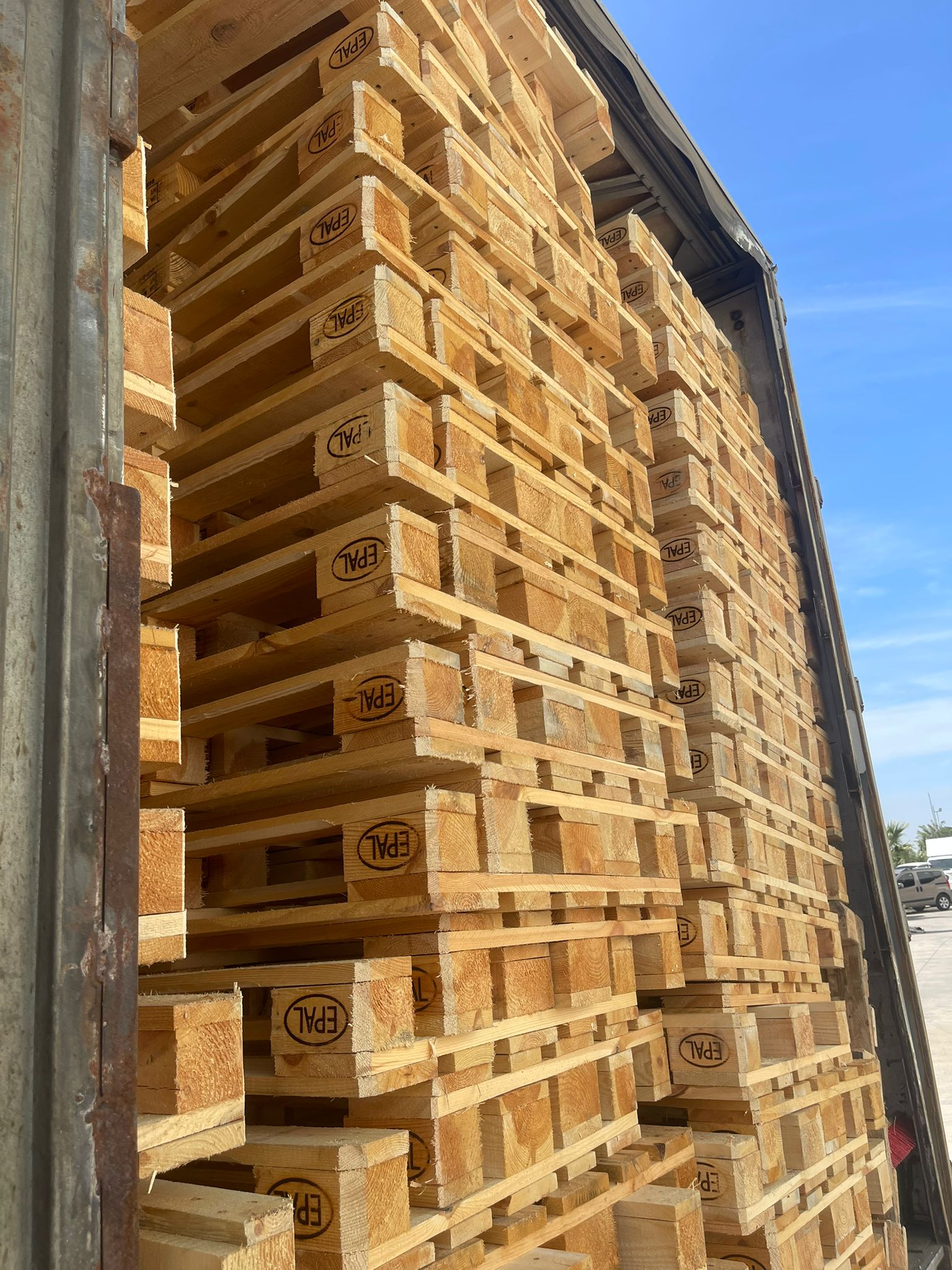
Quantity Purchased:Like most products, pallets are typically more economical when purchased in bulk. Many suppliers offer discounted rates for larger orders.
Types of Pallets and Their Price Ranges
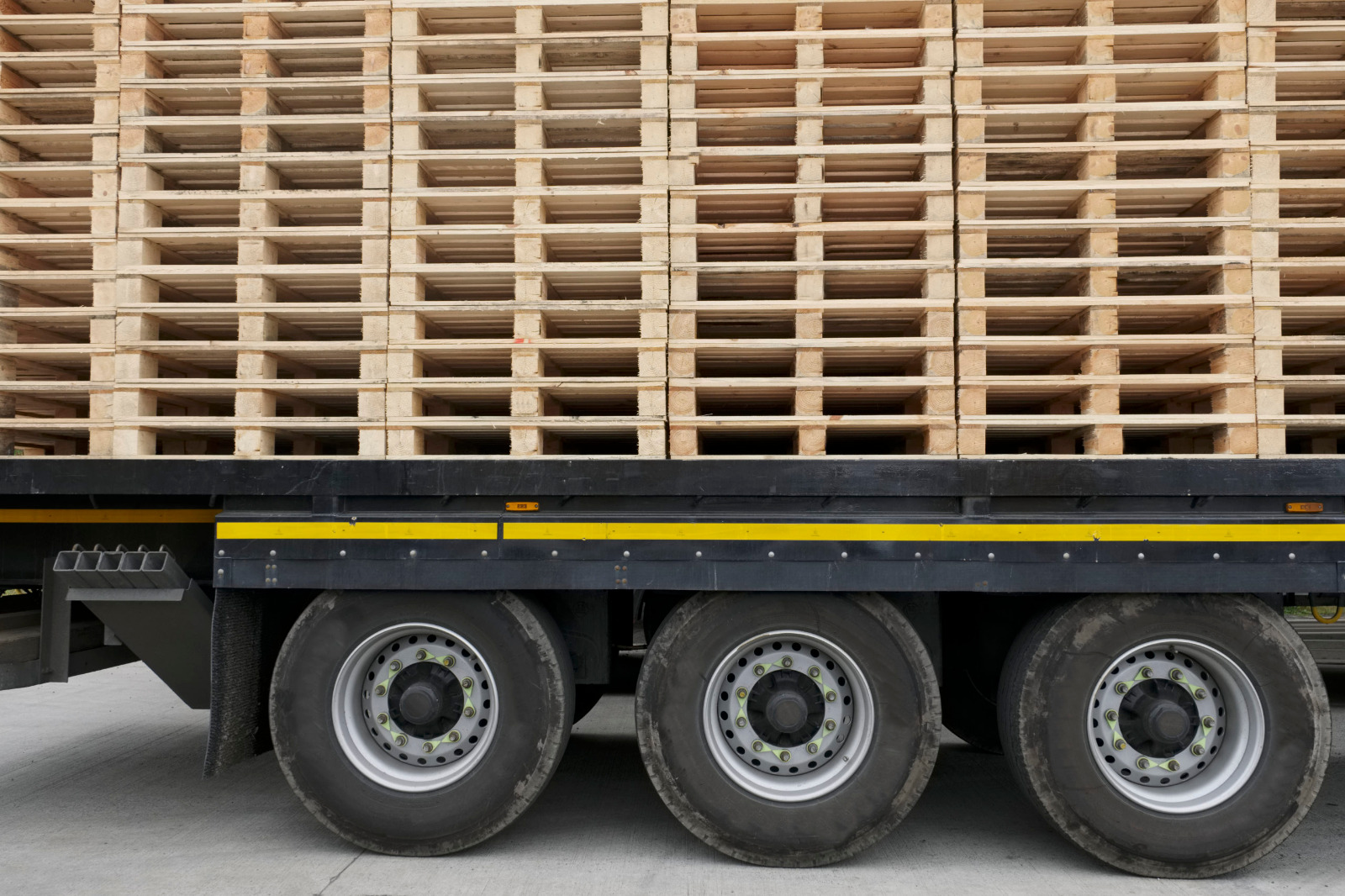
Pallet prices vary not just due to materials but also based on their design and intended use. Below is an overview of the most common types of pallets and their price categories:
-
Wooden Pallets:
- New Wooden Pallets: £10 – £25 each.
- Recycled Wooden Pallets: £5 – £15 each (depending on grade and repairs).
- Custom Wooden Pallets: £15 – £50 (based on dimensions and load requirements).
-
Plastic Pallets:
- Nestable Plastic Pallets (lightweight and stackable): £20 – £50.
- Rackable Plastic Pallets (heavy-duty for industrial use): £50 – £100.
- Hygienic Plastic Pallets (used in food or pharma industries): £80 – £150.
-
Metal Pallets:
- Steel Pallets: £100 – £250 (used in high-temperature or corrosive environments).
- Aluminum Pallets: £150 – £300 (lighter and corrosion-resistant).
-
Specialty Pallets:
- Chemical Pallets (designed for hazardous goods): £30 – £100.
- Export Pallets (lightweight, compliant with ISPM-15 regulations): £10 – £40.
Tips for Reducing Pallet Costs
Managing pallet prices effectively can make a significant difference in operating costs for businesses dealing with high volumes of shipments. Here are some practical tips to help reduce pallet expenses:
-
Buy in Bulk:Suppliers often provide better discounts for bulk orders of pallets. Factor in the economies of scale to save costs in the long term.
-
Consider Recycled Options:Opting for recycled pallets can save up to 50% compared to purchasing new ones, especially for non-aesthetic or less sensitive applications.
-
Negotiate Suppliers:Work closely with pallet suppliers and negotiate based on your needs. Comparing multiple quotes can also help you find the best deal.
-
Opt for Local Suppliers:Choosing a nearby supplier can significantly reduce transportation costs, which are often included in the pallet price.
-
Reassess Materials:Use cost-effective materials without compromising quality. For instance, consider switching from high-end plastics to Grade A recycled wood if durability allows.
-
Implement a Return or Reuse System:Establish pallet pooling or reuse systems to minimize the volume of new pallets required. Third-party pallet pooling companies offer shared-use alternatives.
Frequently Asked Questions (FAQs) About Pallet Prices
1. Why are wooden pallets cheaper than plastic pallets?
Wooden pallets are cheaper because the raw materials (wood) are readily available and require less processing compared to molded plastics. Additionally, plastic pallets are designed for durability and have higher upfront costs but a longer lifetime, reducing the need for frequent replacements.
2. How long do pallets typically last?
The lifespan depends on the material:
- Wooden pallets: ~2-5 years (longer with proper handling).
- Plastic pallets: ~7-10 years.
- Metal pallets: 10+ years, though they are often heavy and niche.
3. Are recycled pallets safe to use?
Yes, recycled pallets are safe for most applications, especially when they meet industry standards. However, food-grade applications may require new or hygienic plastic pallets.
4. Why do pallet prices fluctuate?
Pallet prices are influenced by factors such as raw material costs, market demand, international trade policies, and regional availability of suppliers.
5. What is the best type of pallet for export purposes?
Lightweight wooden export pallets or ISPM-15-compliant heat-treated pallets are often the most economical and environmentally friendly choice for shipping overseas.
Pallet prices represent a crucial but often overlooked factor in effective supply chain and logistics management. As we’ve explored, several factors such as material, grade, size, and market conditions impact the cost of pallets, while different types cater to specific applications. By understanding the nuances of pallet pricing and implementing cost-saving strategies, businesses can not only keep their supply chain efficient but also optimize their operational budgets.
Whether you’re leaning toward traditional wooden pallets or exploring modern plastic or metal alternatives, there’s a pallet solution that fits your needs and budget. Take time to compare options and prioritize quality and functionality to get the best value for your investment.
No listing found.